
According to Nanyang Siang Pau, the government is preparing to reintroduce GST (Goods and Services Tax) in the 2025 Budget, with the mechanism and exemption list already finalized, ready for announcement.
The implementation is expected by 2026 to help improve the country’s financial position ahead of the 2027 general election.
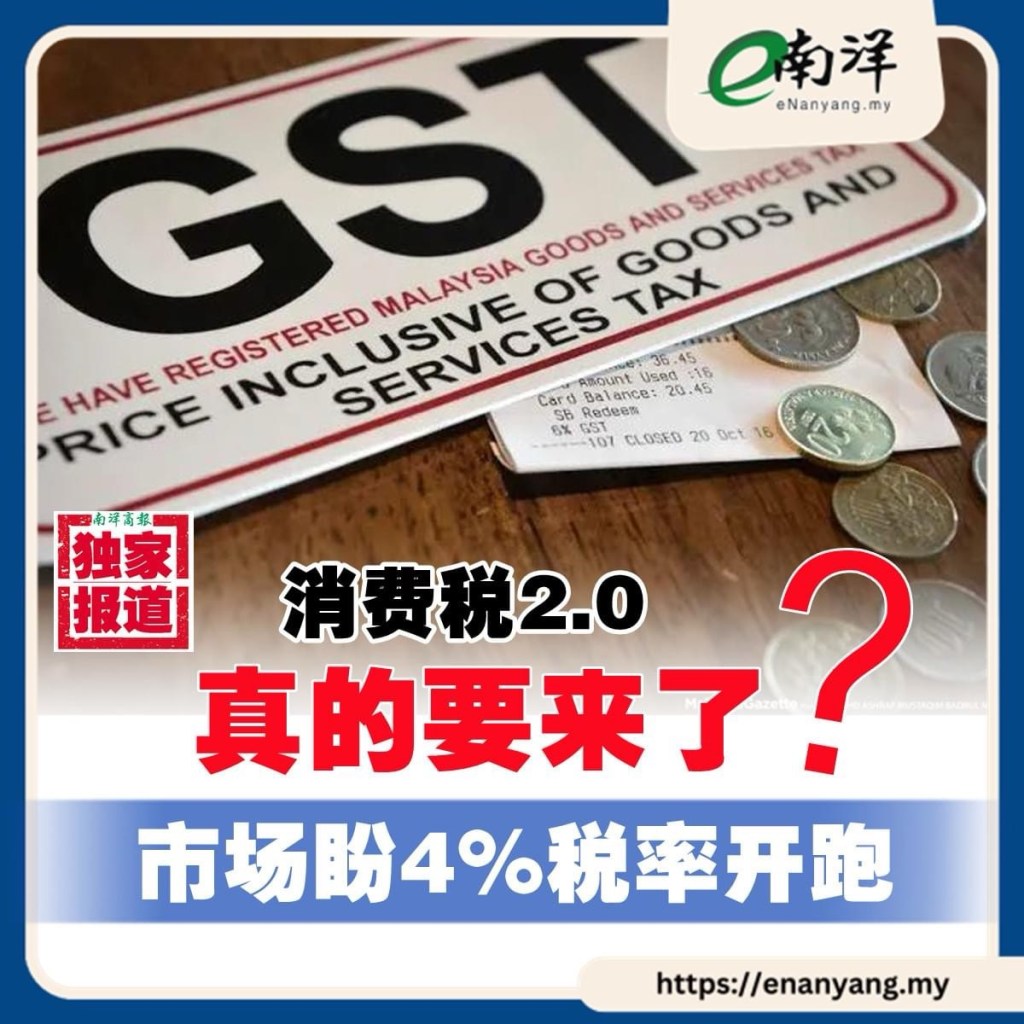
Early market suggestions indicate a proposed 4% rate.
When the Goods and Services Tax (GST) 1.0 was introduced in Malaysia, there was a widespread belief that auditors and tax agents were the biggest winners.
Many are now echoing the same sentiment with the talks of GST 2.0.
But let me tell you, as someone who has been through GST 1.0 – this couldn’t be further from the truth.
Firstly, GST 1.0 was highly politicized. While it was meant to create a more transparent taxation system, it faced challenges, especially around reimbursement delays for tax credits.
Businesses had to wait for months to receive their rightful claims, causing cash flow issues for many.
Secondly, let’s compare GST and SST. Under the Sales and Services Tax (SST), businesses only pay tax at the end of the supply chain, whereas GST taxes each stage of the supply chain.
Yes, GST allows input tax credits, but these credits are only useful if they are reimbursed promptly.
The delays we faced during GST 1.0 caused more headaches
Let me set the record straight—we’re just trying to help businesses navigate these complex systems while ensuring compliance.


 Koh Teck Peng Blog
Leave a comment